

Painting Tim Tompkins – PaintHistory.com
Alfred Nobel
Chemist, Inventor, Awesome Administrator, Social Reformer.
“It could and should soon come to pass that all states pledge
themselves collectively to attack an aggressor. That would make war
impossible, and would force even the most brutal and unreasonable Power
to appeal to a court of arbitration, or else keep quiet.”
Please do use your discretion. Videos by Nobel Prize authorities and those in which the Laureates themselves speak are fine. Regarding other videos please accept truthful info and disregard the rest.
Alfred Nobel
Nobel Prize Announcement
Nobel Prize Lectures
Nobel Prize Acceptance Speech
Nobel Prize Ceremony
Nobel Banquet speech
Nobel Laureates
Nobel Prize

Painting Tim Tompkins – PaintHistory.com
James P. Allison Ph.D.
The Nobel Prize in Physiology or Medicine 2018
Nobel co-recipient Tasuku Honjo
Cancer Immunologist. Discovered cancer therapy by inhibition of
negative immune regulation. Pioneer. Place breaks/check points on
inhibitory immune cells to attack cancer cells –
curative. Interest: How T cells work. First Nobel Prize for cancer
therapy. Family history of cancer. Modest.
“Motivation of scientists: to know what nobody else knows.”
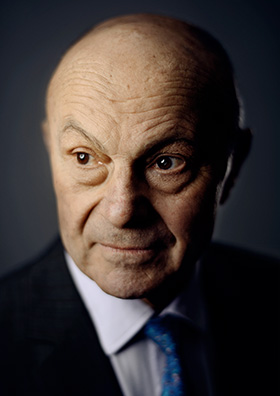
Photo: © Nobel Foundation
Eugene F. Fama Ph.D., MBA
The Sveriges Riksbank Prize in Economics Sciences in Memory of Alfred Nobel 2013
Nobel co-recipients Lars Peter Hansen, Robert J. Shiller
Economist.
Empirical analysis of asset prices. Influenced development of index
funds. Father of modern finance. Idea is ‘how do you measure risk?’
Windsurfing, golf, opera.
In University of Chicago – Economics. Environment so productive.
“We have good people, you need that; very interactive environment;
people help one another out a lot. I couldn’t do what I did without the
help of my professors, colleagues and students. Everybody contributes to
everybody else.”

Photo: Bengt Nyman, Painting Tim Tompkins – PaintHistory.com
Robert J. Lefkowitz MD
Nobel Prize in Chemistry 2012
National Medal of Science – Biological Sciences 2007 USA
Nobel co-recipient Brian K. Kobilka
Physician- Cardiologist, Scientist. G-protein-coupled receptors;
approximately half of all medicines used today use this kind of receptor.
“Strong family history of coronary artery disease … at age 50 I
had quadruple bypass surgery [1994]. I minimize my risk factors with
daily physical exercise, a vegetarian diet and appropriate medications”.

Photo Deryck Chan, courtesy to cameraman Sien Yi Tan. Painting Tim Tompkins – PaintHistory,com
Sir John B. Gurdon Kt DPhil DSc FRS
The Nobel Prize in Physiology or Medicine 2012
Nobel co-recipient Shinya Yamanaka
Developmental Biologist. Mature cells can be reprogrammed to become
pluripotent. Hobbies: Outdoor sports, mountaineering, travelling, but
not theatre, music, reading.
At age15, damning school report: …he will not listen, but will insist
in doing his work his own way…has ideas of becoming a Scientist…waste of
time for him and teachers.
`Know Thyself
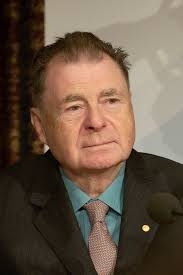
Photo: Holger Motzkau/Wikimedia Commons
Richard F. Heck Ph.D.
Nobel Prize in Chemistry 2010
Nobel co-recipients Ei-ichi Negishizz, Akira Suzuki
Physical organic chemist. Palladium-catalyzed cross-coupling
reaction. Sole author – 7 consecutive papers. Heck reaction: important
concept, tool for organic and medicinal chemists; fuorescence labeling
of DNA bases – sequencing DNA/Genome. Thinner computer screens in
future. “Great art in test tube.”
Growing orchids in early teens lead to passion for chemistry.
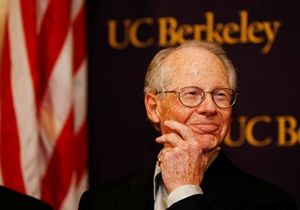
Photo: Courtesy Dr.Williamson
Oliver E. Williamson Ph.D.
The Sveriges Riksbank Prize in Economic Sciences in Memory of Alfred Nobel 2009
Nobel co-recipient Elinor Ostrom
Economist and Founding Editor of the Journal of Law, Economics and Organization. His book, The Economic Institutions of Capitalism: Firms, Markets, Relational Contracting, is said to be the most frequently cited work in social science research.
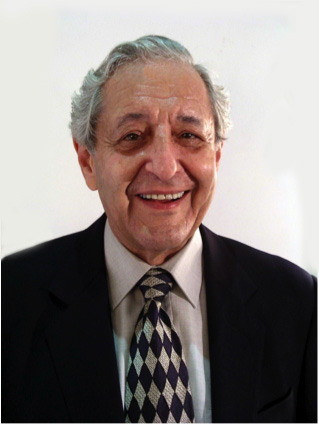
Photo: LN, NIMH
Mortimer Mishkin Ph.D.
National Medal of Science – Behaviorial and Social Science 2009
Cognitive neuroscientist, Business Administrator. Brain/behavior
relationships in humans, nonhuman primates. Identified … areas in
cerebral cortex essential for perception and memory: cortico-limbic
circuit responsible for memory of facts and events; cortico-striatal
circuit responsible for learning of different types of habits and motor
skills.
“Perseverance is built into the trait of curiosity, a scientist’s
motivation. If you’re sufficiently curious, you’re willing to continue
despite failures and obstacles. It’s so easy to give up.”
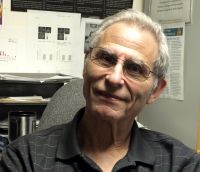
Photo: Courtesy Dr. Michael I. Posner. Upon receiving Carty award 2012.
Michael I. Posner Ph.D.
National Medal of Science – Behaviorial and Social Science 2008
Psychologist. Cognitive neuroscience – attention, early brain development, changes in brain systems with learning; developmental disorders; brain injury. Posner cueing task. Founding Director, Sackler Institute for Developmental Psychobiology.
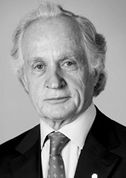
Photo: © Nobel Foundation
Mario R. Capecchi Ph.D.
The Nobel Prize in Physiology or Medicine 2007
Nobel prize also awarded to Sir Martin J. Evans and Oliver Smithies
National Medal of Science – Biological Sciences 2001
Molecular Geneticist. Introduced specific gene modifications in
mice by using embryonic stem cells. Gene Targeting, Homeobox Genes,
Development, Behavior.
Mother incarcerated as political prisoner, Germany. “At age 4½, I
set off on my own, living in streets, orphanages; joining gangs of
homeless children; generally hungry. Vivid recollections, brutal beyond
description.”
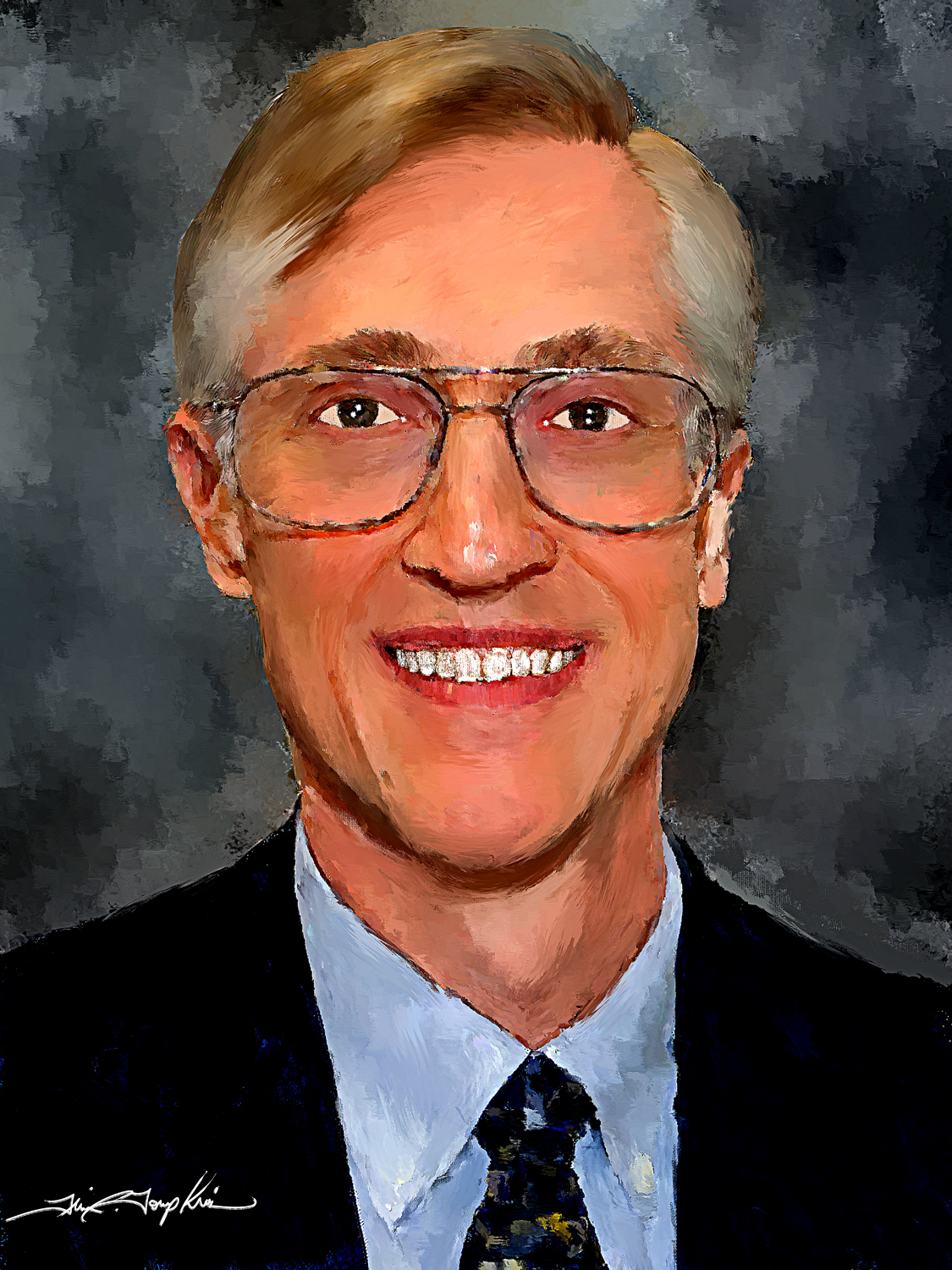
Painting Tim Tompkins – PaintHistory.org
John C. Mather Ph.D.
The Nobel Prize in Physics 2006
Nobel Prize also awarded to George F. Smoot
Physicist – Astrophysics, Instrumentation. COBE, Blackbody form and anisotropy of the cosmic microwave background radiation.
“For years I had successfully repelled all challenges to my
concentration on one overwhelming responsibility. Now, it was done, and I
switched my attention to …”
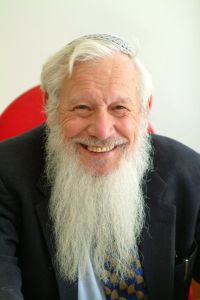
Photo: Courtesy Dr. Robert J. Aumann
Robert J. Aumann Ph.D.
The Sveriges Riksbank Prize in Economic Sciences in Memory of Alfred Nobel 2005
Nobel co-recipient Thomas C. Schelling
Mathematician. Game Theory. Interest: Talmud.
“Science is exploration for the sake of exploration.”

Photo: Courtesy Dr. Gordon Bower
Gordon H. Bower Ph.D.
National Medal of Science – Behavior and Social Science 2005
“Psychologist, Cognitive-Social. Human memory, mnemonic devices, retrieval strategies, recording strategies, category learning. Cognitive processes, emotion, imagery, language and reading comprehension as they relate to memory. Mathematical Models, Computer Simulation of Memory, Behavior Modification.”
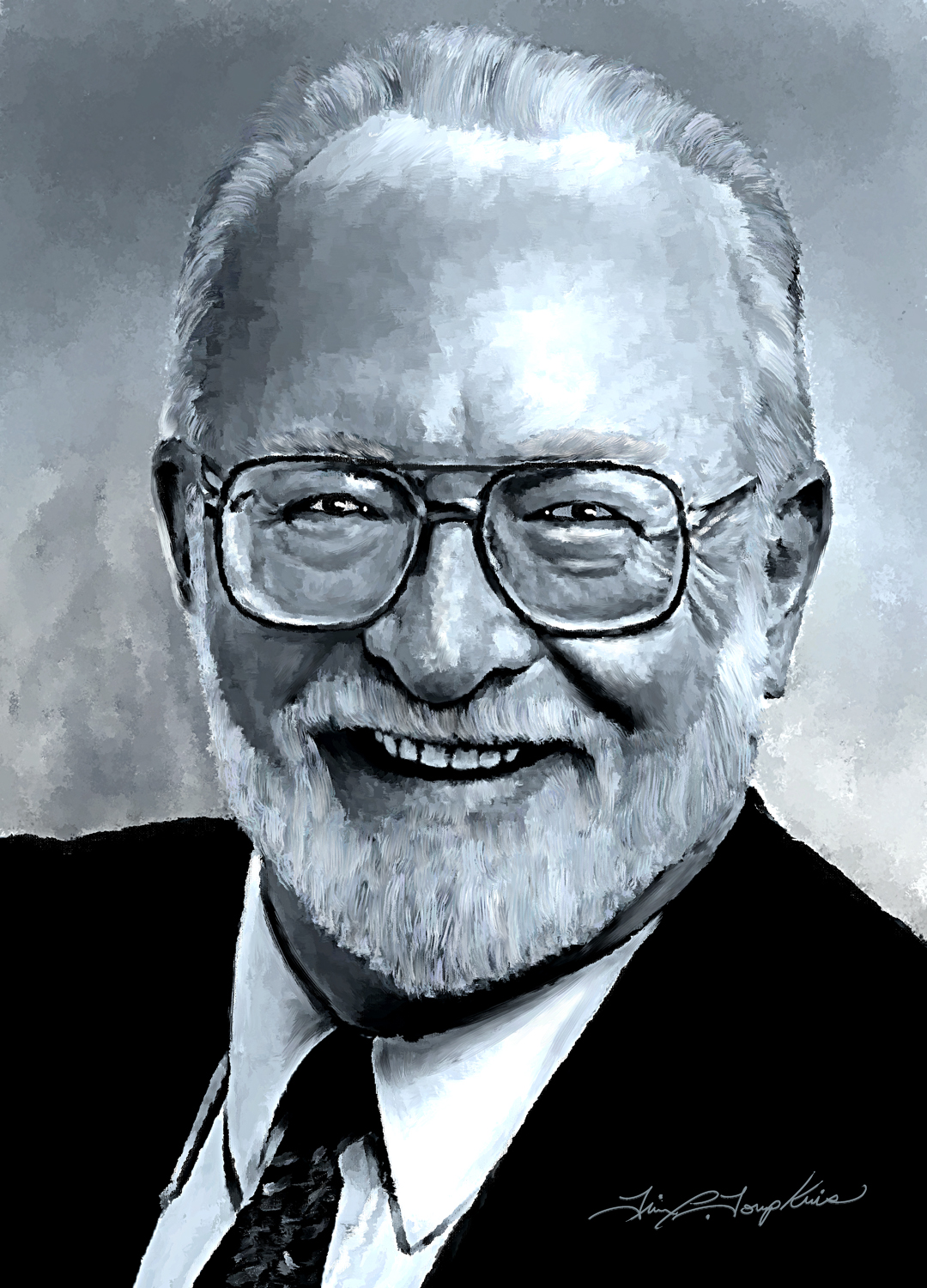
Painting Tim Tompkins – PaintHistory.com
Paul C. Lauterbur Ph.D.
The Nobel Prize in Physiology or Medicine 2003
Nobel Co-recipient Sir Peter Mansfield
The President’s National Medal of Science – Physical Sciences 1987
The National Medal of Technology and Innovation 1988
Chemist. Magnetic resonance imaging.
“Every great idea in history has the red stamp of rejection on
its face. If you scratch any innovation’s surface, you’ll find the
scars: they’ve been roughed up and thrashed around by the masses and the
leading minds before they made it into your life.”
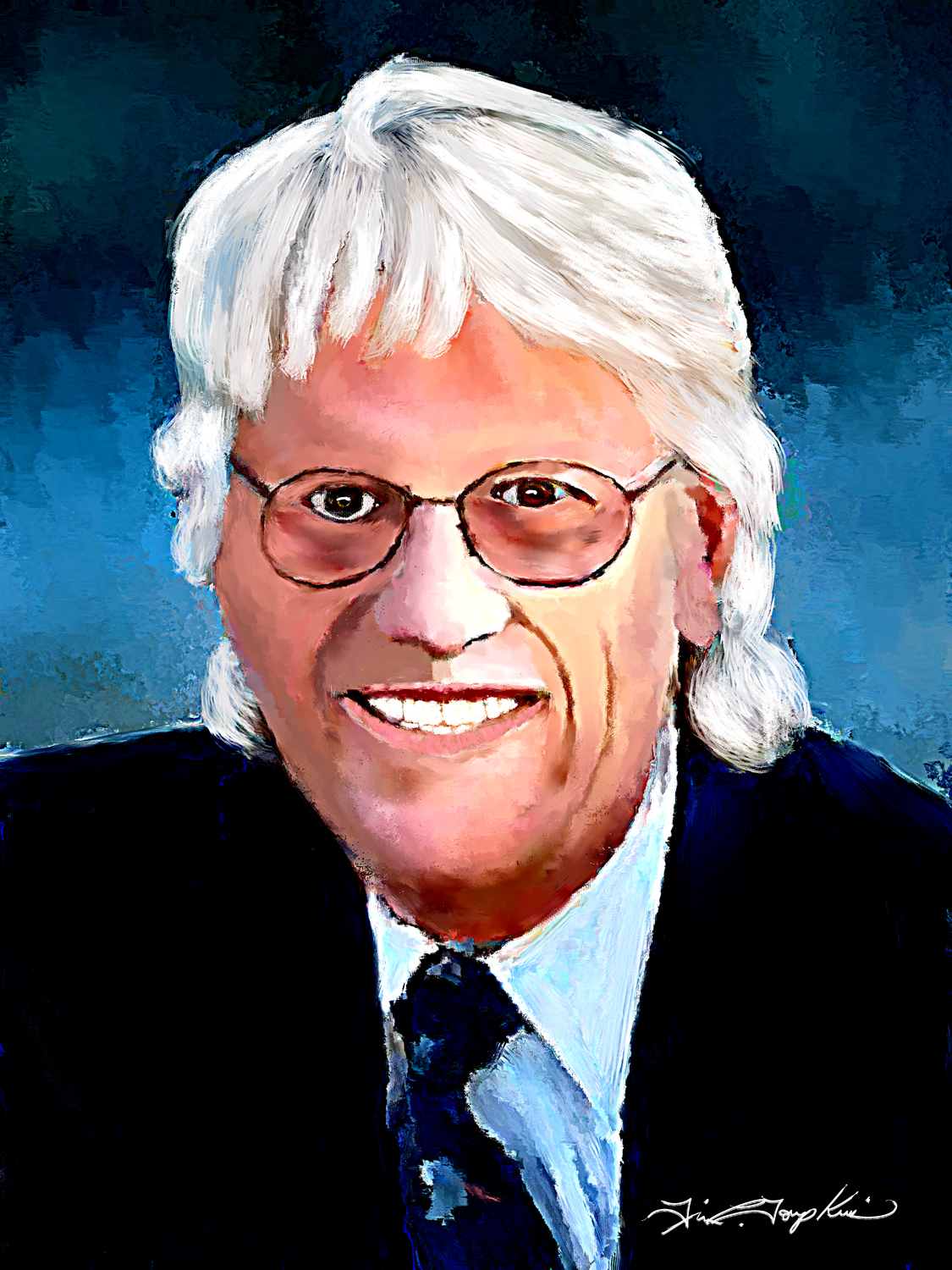
Photo: Courtesy Dr. Vernon Smith. Painting Tim Tompkins – PaintHistory.com
Vernon L. Smith BSEE, Ph.D.[Economics]
The Sveriges Riksbank Prize in Economic Sciences in Memory of Alfred Nobel 2002
Nobel co-recipient Daniel Kahneman
Electrical Engineer, Experimental Economist. Founder, International
Foundation for Research in Experimental Economics; Founder Economic
Science Institute at Chapman University.
“… If I am ever reborn, I hope to be a madman yet again …”

Photo: Courtesy Evelyn M. Witkin
Evelyn Maisel Witkin Ph.D.
National Medal of Science – Biological Science 2002
Zoologist – Molecular Geneticist. E. coli. DNA mutagenesis and DNA
repair. Interests: Science education in public schools; Connections
between contemporary Victorians poet Robert Browning and Charles Darwin.
Essentially same grant from 1956 until retirement in 1991.
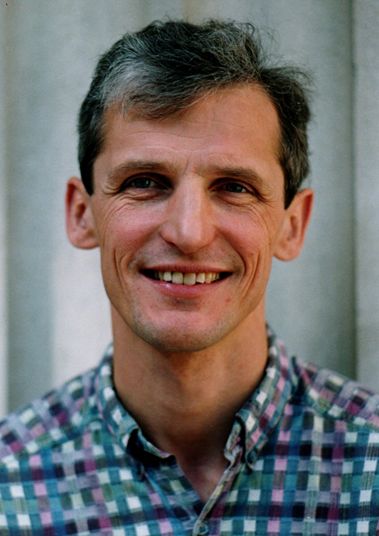
Photo: Courtesy Dr.Wolfgang Ketterle
Wolfgang Ketterle Ph.D.
The Nobel Prize in Physics 2001
Nobel co-recipients Eric A. Cornell, Carl E. Wieman
Physicist – Atomic Physics. Hobbies: Running, Bicycling.
“…the quest for pure knowledge and the pursuit of goals which are
only vaguely defined and change as the research progresses… I didn’t
anticipate that the best was still to come”.
Photo: Courtesy Gene Elden Likens
Gene Likens Ph.D.
National Medal of Science – Biological Sciences 2001
Zoologist. Ecosystem ecology, biogeochemistry, acid rain, human impacts on aquatic and terrestrial ecosystems. Linked fossil fuel combustion to acid rain. Founder, Cary Institute of Ecosystem Studies

Photo: Courtesy Nancy C. Andreason
Nancy Andreason M.D.,Ph.D.
National Medal of Science – Biological Sciences 2000
Psychiatrist, Litterateur. Cognitive and Behavioral
Neuroscience, Genomics, Neuroimaging, Neuroscience of Creativity,
Schizophrenia. Writes books to educate laity and reduce stigma. Founding
Chair, Neuroscience Section, American Association for the Advancement
of Science (AAAS).
Creative people tend to be very persistent, even when confronted with skepticism or rejection.

Painting Tim Tompkins – PaintHistory.org
William D. Phillips Ph.D.
The Nobel Prize in Physics 1997
Nobel co-recipients Steven Chu, Claude Cohen-Tannoudji
Physicist. Development of methods to cool and trap atoms with laser
light. Think about physics intuitively. Open, lively discussion of
physics problems. Do physics at frontiers competitively with openness,
humanity, cooperation. Excellent teacher. Religious.
“No prize can compare in importance to family and friends I count as my greatest treasures”.
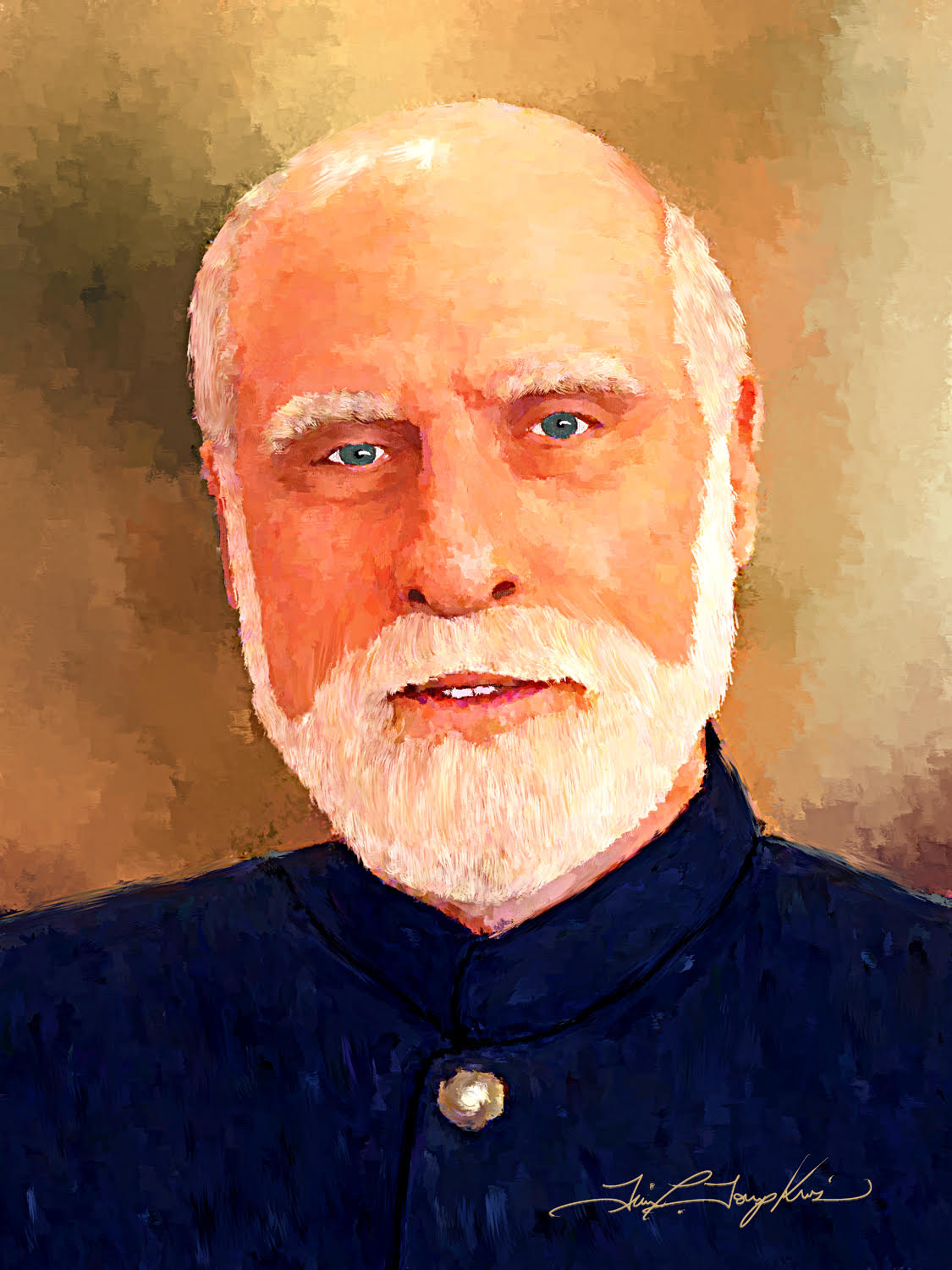
Photo Courtesy Vinton Cerf. Painting Tim Tompkins – PaintHistory.com
Vinton Cerf Ph.D.
National Medal of Technology and Innovation 1997
One of two Fathers of the Internet. TCP/IP protocols. Internet
Architecture. Chief Internet Evangelist, Google. Interplanetary Internet.
Living Legend.
“Brilliant, indescribably enthusiastic, humorous, happy, treats people
extremely well. It would be nice to go to work every day and work with
people like Vint Cerf.” – R.V. Nagaveni, Founder, Ganga Library.
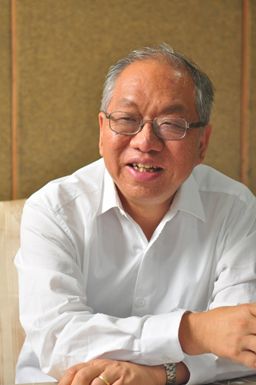
Photo: Courtesy Dr. Shing-Tung Yau
Shing-Tung Yau Ph.D.
National Medal of Science – Mathematics and Computer Science 1997
Mathematician. Differential geometry, Differential equations,
General relativity. Calabi-Yau manifolds. Miyaoka-Yau inequality.
Founder: Institute of Mathematical Sciences, Chinese University of Hong
Kong; Morningside Center of Mathematics at Academia Sinica; Center of
Mathematical Sciences at Zhejiang University; Tsinghua Mathematical
Sciences Center, China. Adviser more than 50 doctoral students.
Family fled mainland China and Communist takeover when he was an infant. Leader of street gang and often skipped school.


Drawing: Ami Mowris
John C. Harsanyi Ph.D.
The Sveriges Riksbank Prize in Economic Sciences in Memory of Alfred Nobel 1994
Co-Nobelists: John F. Nash Jr., Reinhard Selten
Economist. Contributed to developing game theory. Hungarian-American.
Photo: Wikimedia Commons
Gertrude B. Elion M.S.[Chemisty]
The Nobel Prize in Physiology or Medicine 1988
National Medal of Science – Chemistry 1991
Chemist, Pharmacologist. Discovered principles for drug treatment;
developed drugs – anticancer, immunosuppressive, antiviral,
antibacterial, anti-gout, anti-malarial. Purines.
“I was a child with an insatiable thirst for knowledge. My beloved
grandfather died of cancer when I was 15. I was highly motivated to
discover a cure for this terrible disease”.
Photo: Jean-Marie Lehn after a lecture at ETH Zurich, 2012, Wikimedia Commons
Jean-Marie Lehn Ph.D.
The Nobel Prize in Chemistry 1987
Nobel co-recepients Donald J. Cram, Charles J. Pedersen
Chemist. Interests: Supramolecular chemistry, Self-assembly and
self-organization, Constitutional dynamic chemistry; Music, Philosophy.
Founding director, ‘Chemistry, a European Journal’. Gave starting
impetus to other European journals, rare manifestation of European
spirit and supranationality bridging historical divides!
President, International Organization for Chemical Sciences in Development, helping chemists in developing countries.
Photo: Courtesy Michael H. Freedman
Michael H. Freedman Ph.D.
National Medal of Science – Mathematics and Computer Science 1987
American mathematician. Proof of Poincare Conjecture in dimension four. One of the greatest achievements in mathematics in this century. Fields Medal, 1986.

Gordimer at the Göteborg Book Fair, 2010. Photo: Bengt Oberger.
Nadine Gordimer
The Nobel Prize in Literature 1991
Writer, illustrated consequences of apartheid. For fifty years the ‘Geiger Counter of Apartheid.
“My answer is: Recognize yourself in others”.” A child understands
fear, and the hurt and hate it brings”. “Time is change; we measure its
passing by how much things alter”.

Photo: NIH
Harold Varmus M.D.
Nobel Prize in Physiology or Medicine 1989
Nobel Prize shared by J. Michael Bishop
National Medal of Science – Biological Sciences 2001
Physician, Scientist, Litterateur. Cellular origin of retroviral oncogenes. Co-founder, Public Library of Science Journals. Initiated doubling NIH budget. Interests: cycling, rowing.
‘Unflappable Varmus’

Photo Nasoline. Painting Tim Tompkins – PaintHistory.com
George J. Stigler Ph.D., M.B.A.
The Sveriges Riksbank Prize in Economic Sciences in Memory of Alfred Nobel 1982
The President’s National Medal of Science – Behavior and Social Science 1987
Economist – industrial organization. ‘Seminal studies of
industrial structures; functioning of markets; causes, effects of public
regulation.’ Great teacher. Writings easy to admire, joy to read,
impossible to imitate. Interest: many areas of economics; history of
economics. Very Humorous.
Chicago Economics Department intellectual ferment – intense intellectual atmosphere; captivated him.
Photo: Wiki
Seymour Benzer Ph.D.[Physics]
National Medal of Science – Biological Sciences 1982
Physicist, molecular biologist, behavioral biologist (neurogeneticist). Post Pearl Harbor worked in secret wartime project studying semiconducting properties of germanium, work that foreshadowed development of transistor. Functional gene is a linear stretch of DNA with definable boundaries. Stretches of DNA are all linked to each other as adjacent pieces of chromosome.

Photo Purdue University. Painting Tim Tompkins PaintHistory.com
Herbert C Brown Ph.D.
The Nobel Prize in Chemistry 1979
The President’s National Medel of Sciences – Physical Sciences, 1969
Nobel co-recipient Georg Wittig
Organic Chemist. Development of use of boron into important
reagents in organic synthesis. School, advanced several times,
graduating at 12; refused further advancement, avoiding being sister’s
classmate.
Graduating, Depression years, future wife Sarah gave him gift, Stock’s ‘Hydrides of Boron and Silicon’ because cheapest chemistry book! Led to Nobel Prize!

Photo: NIH
Julius Axelrod Ph.D.
The Nobel Prize in Physiology or Medicine 1970
Co-Nobelists Sir Bernard Katz, Ulf von Euler
Pharmacologist. Neurophysiologist. Mechanism for storage, release,
inactivation of humoral transmitters in nerve endings. Discovered drug
metabolic pathways: hydroxylation, demethylation, deamination,
conjugation. Led to liver’s microsomal drug-metabolizing enzymes
discovery. Pheochromocytoma. Carboxylmethyl transferase. Melatonin.
Ideal mentor. Infectious exhilaration in discovery. Research was genuine fun. Students came out of lab with same attitude.
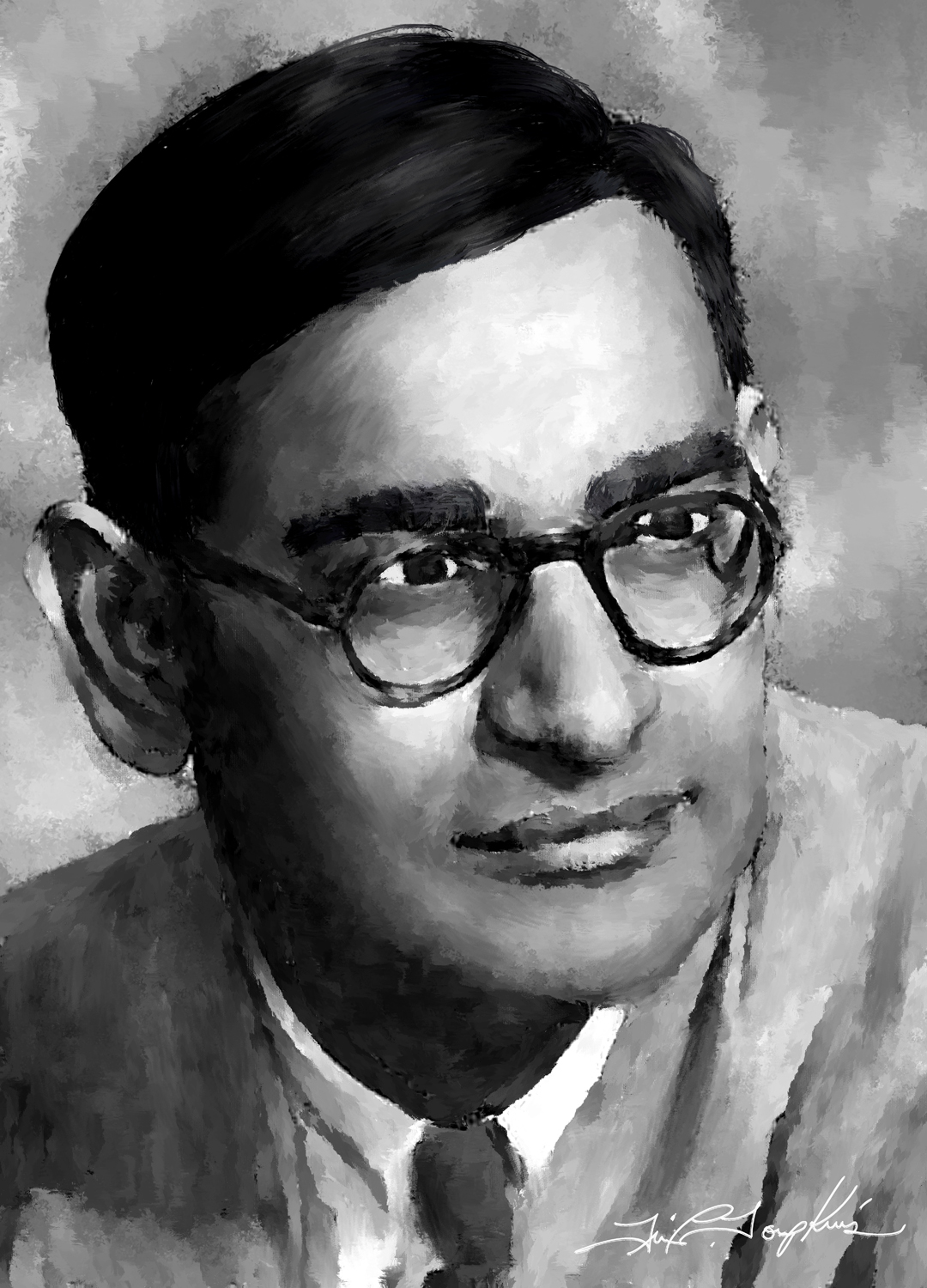
Photo Wiki. Painting Tim Tompkins – PaintHistory.com
H. Gobind Khorana Ph.D.
The Nobel Prize in Physiology or Medicine 1968
National Medal of Sciences – Biological Sciences 1978
Co-Nobelists: Robert W. Holley, Marshall W. Nirenberg
Organic Chemist, Biochemist. ‘Genetic code interpretation,
function in protein synthesis. Pioneered synthesizing biologically
active gene, determine codon triplets’
nucleotides order. Unraveled genetic code, how nucleic acids form
proteins. Pioneered genetic engineering. Multidisciplinary work.
“Wife brought sense of purpose. In foreign country, I felt out of place everywhere, at home nowhere.”
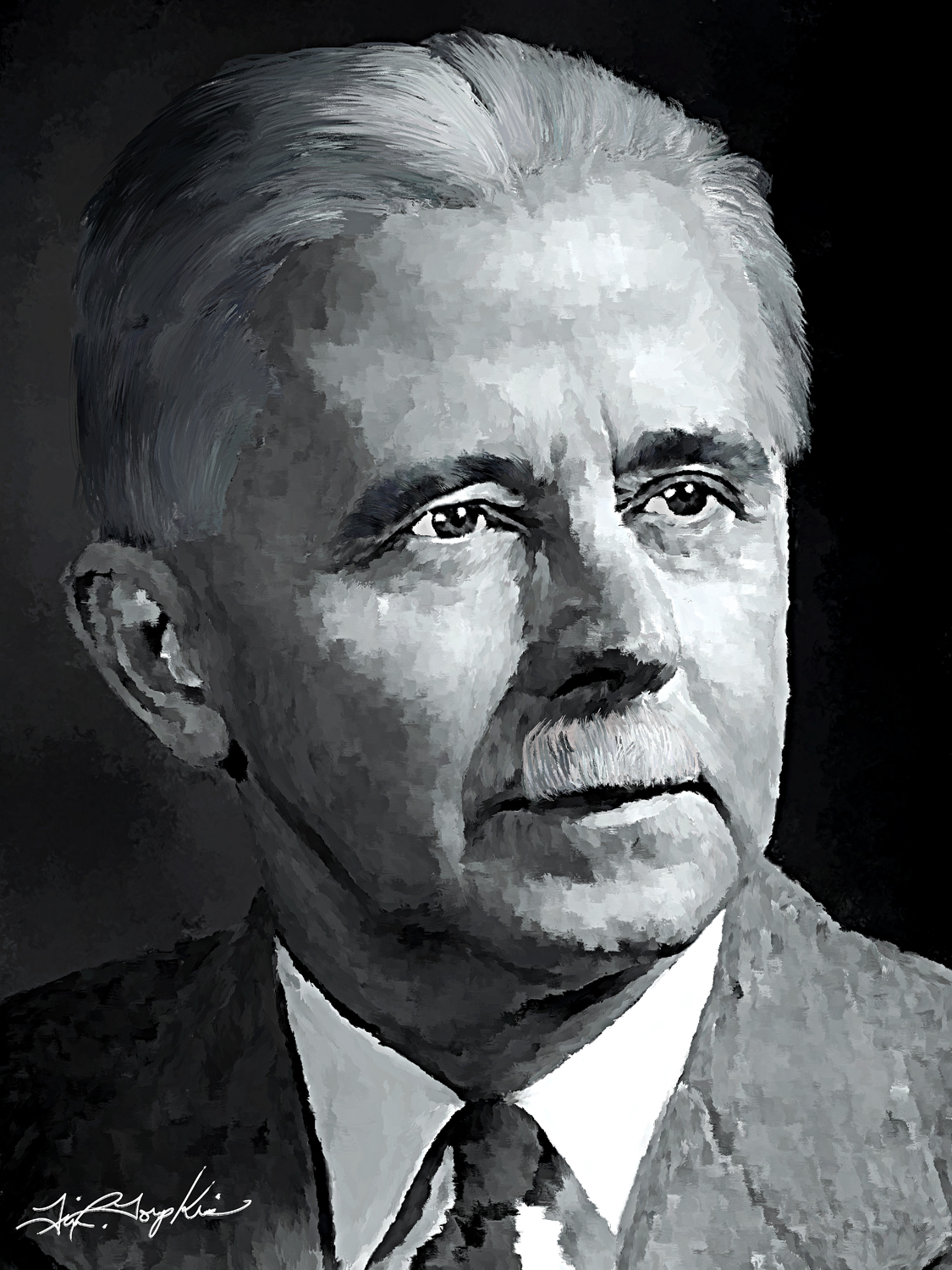
Painting Tim Tompkins – PaintHistory.com
Haldan K. Hartline M.D.
The Nobel Prize in Physiology or Medicine 1967
Nobel co-recipients Ragnar Granit, George Wald
Physician, Biophysicist. Physiological and chemical visual processes in eye.
“Vision itself is a dynamic process. There is little in the world
that stands still, at least not as imaged in our retinas, for our eyes
are always moving. The visual system is almost exclusively organized to
detect change and motion.”
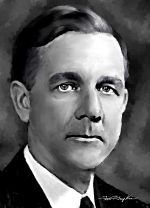
Photo Wiki. Painting Tim Tompkins – PaintHistory.com
George H. Whipple M.D.
The Nobel Prize in Physiology or Medicine 1934
Co-Nobalists George R. Minot, William P. Murphy
Physician; Pathologist. Pernicious anaemia liver therapy. Whipple
Disease. Intestinal parasites. Blackwater fever. WWII, Chloroform
anesthesia induced liver necrosis. Liver regeneration. Tuberculosis.
Pancreatitis. Used Nobelists Joliot Curie’s, Fermi’s, E.O. Lawrence’s
radioactive isotopes; discovered iron metabolism; protein metabolism,
distribution, functions. Bile constituents. Red cell stroma.
Gentle. Quiet. Wanted to be remembered as teacher.

Painting Tim Tompkins PaintHistory.com
Georg von Békésy Ph.D. [Physics]
The Nobel Prize in Physiology or Medicine 1961
Physicist, Communication engineer. Psychophysiology of hearing.
Physical mechanism of stimulation within cochlea, a frequency analyzer.
Accidental selection of science field. Technically skillful, elegant
experimental design. He nuisance to autopsy room, mechanical workshops.
“Found inner ear beautiful under stereoscopic microscope. It was pleasure of beauty that made me stick to ear.”

Photo Wiki. Painting Tim Tompkins PaintHistory.com
Dickinson W. Richards Ph.D.
The Nobel Prize in Physiology or Medicine 1956
Co-Nobelists André F. Cournand, Werner Forssmann
Physician, gentle clinician, cardiovascular physiologist.
“Discoveries concerning heart catheterization, pathological changes in
circulatory system.” Diagnosing congenital heart diseases; chronic
cardiac, pulmonary diseases; traumatic shock.
“Man’s potentiality, or these days his survival, will depend on his
conscience, more specifically, ability of leaders and followers to
change character, into more merciful beings.”
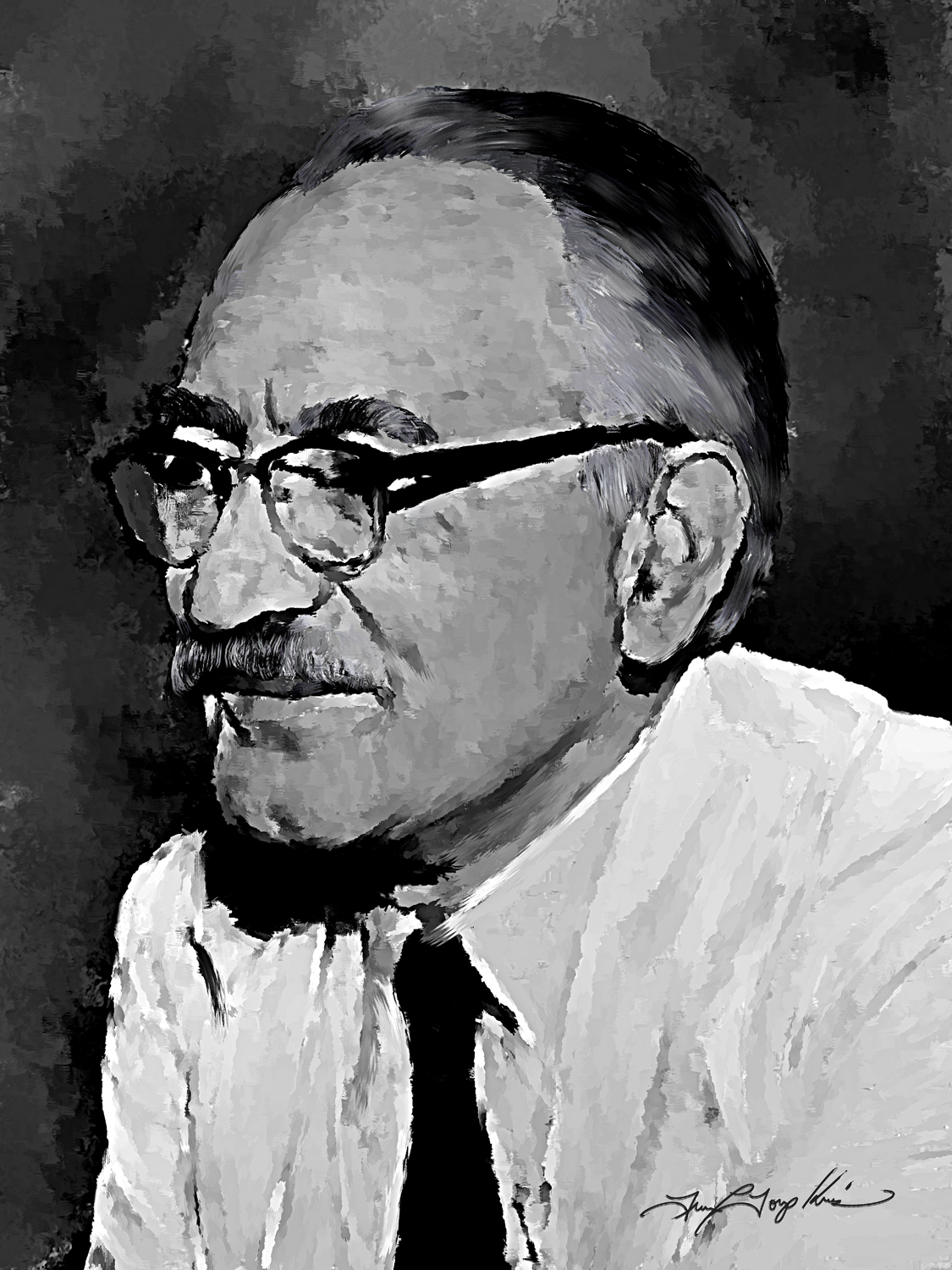
Painting Tim Tompkins PaintHistory.com
Selman A. Waksman
The Nobel Prize in Physiology or Medicine 1952
Ukrainian-born American Microbiologist, Biochemist. Isolated
several antibiotics including Streptomycin for Tuberculosis and
Neomycin. Proceeds earned from patents funded Waksman Institute of Microbiology and Waksman Foundation for Microbiology.
“The Lord hath created medicines out of the earth; and he that is wise will not abhor them. Ecclesiasticus, XXXVIII , 4”

Painting Tim Tompkins – PaintHistory.com
Glenn T. Seaborg Ph.D.
The Nobel Prize in Chemistry 1951
National Medal of Science – Chemistry 1991
Nobel co-recipient: Edwin M. McMillan
Nuclear Chemist. Transuranium – Plutonium. Isotopes identification.
Actinide concept. Atomic Bomb. Peaceful use of atomic energy. Advisor to 10 US Presidents. Swedish ancestry. Journal since age 8 yrs. Hiking.
Franck Report: “I
had joined a committee of scientists who advocated the use of the
atomic bomb for demonstration purposes. We hoped the enemy would see the
destructive power of this weapon and immediately surrender. In June,
1945, we attempted to deliver our plan, the Franck Report, to President
Truman. I don’t know if he ever saw our work…”

Photo: Wikipedia commons
Mahathma Gandhi
‘Missing Laureate’ 1948 [Nobel Peace Prize]
Hero to innumerable peace activists including Nobelists: Martin
Luther King Jr., Pérez Esquivel, Dalai Lama, Suu Kyi, Nelson Mandela.
1948, Nobel Committee diplomatically declared, “no suitable living candidate”.
Geir Lundestad, Secretary, Norwegian Nobel Committee, 2006: Gandhi could do without Nobel, whether Nobel committee can do without Gandhi is the question.

Photo Wiki. Painting Tim Tompkins PaintHistory.com
Herbert S. Gasser M.D.
The Nobel Prize in Physiology or Medicine 1944
Co-Nobelist Joseph Erlanger
Physician, Electrophysiologist, Pharmacologist. Discovered
differentiated functions of single nerve fibers. Two types of nerve
fibers with different thicknesses; thicker fibers convey nerve impulses
fast.
Two times for working on a problem – before anyone has thought of
it and after everyone else has left it – result: innovator or finalist.

Painting Tim Tompkins – PaintHistory.com
Thomas H. Morgan Ph.D.
The Nobel Prize in Physiology or Medicine 1933
Zoologist, Geneticist. Chromosome role in heredity, sex
determination. Drosophila. Genes stored in chromosomes in nuclei.
Epigenetics. Combination rule. Limited number of combination groups.
Crossing-over rule. Linear arrangement of genes in chromosomes.
Didn’t attend Nobel award ceremony, because in Caltech, busy
establishing new physiology group and with future of biochemistry,
genetics.

Photo Bachrach Studios, Wiki. Painting Tim Tompkins – PaintHistory.com
Karl Landsteiner
The Nobel Prize in Physiology or Medicine 1930
Physician – Anatomic Pathologist, Father of Immunology. ABO Blood
Groups, Rh Typing. Paroxysmal Haemoglobinuria. Polio. Spirochaetes.
Chemistry into service of serology. Meticulous observation, description,
understanding in many fields.
Rigorously demanding of himself. Energetic. By nature somewhat pessimistic, preferred to live away from people.
Characteristic of him – died pipette in hand.

Painting Tim Tompkins – PaintHistory.com
Sir Chandrasekhara Venkata Raman M.A. [Physics]
The Nobel Prize in Physics 1930
Atomic Physicist. Molecular Diffraction of Light. Raman Effect.
Structure, optical behaviour of iridescent substances. Acoustics,
violin.
Raman lost Nobel Prize money to fraudulent financer. Meeting fraudster
years later, he said: You deserve Nobel Prize for your cunning in duping
Nobel Laureate!
Playful comment: Unfortunately Economics Nobel instituted later in 1969!
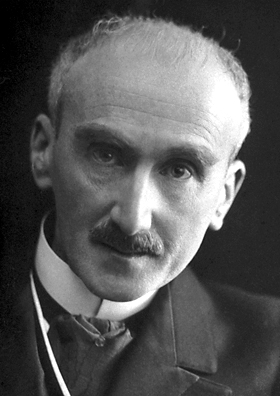
Photo: Nobelprize.org
Henri Bergson
The Nobel Prize in Literature 1927
Philosopher, Essayist wrote in French. Rich and vitalizing ideas
and brilliant skill in presentation. President, Commission for
Intellectual Cooperation of League of Nations.
Philosophical system demonstrating Nobel’s
idea of acknowledging with his Prizes, not human deeds but new ideas
revealed through select personalities. Regain for man’s consciousness
the divine gift of intuition and to put reason in its proper place:
serving and controlling ideas.

Painting Tim Tompkins – PaintHistory.com
Willem Einthoven Physician
The Nobel Prize in Physiology or Medicine 1924
Physician, Physiologist. Discovered electrocardiogram [EKG/ECG] mechanism. It was known that heart generates weak electrical current varying in health, heart disease. Invented galvanometer recording these currents. Named electrical waves P, Q, R, S, T. [P petite; next letters in alphabet]. Interests: Physics, Acoustics, Asthma, Optics, Physical activity. Great concentration. Generous, Kind.

Painting Tim Tompkins – PaintHistory.com
Anatole France
The Nobel Prize in Literature 1921
Novelist, storyteller; almost all genres. Nobility of style,
profound human sympathy, true Gallic temperament. Historical fiction
evokes past civilizations with great charm, deep insight.
Post-World
War I. At Nobel ceremony Frenchman France turned to Nobelist, German
Nernst, exchanged a long and cordial handshake with him – a profoundly
symbolic gesture.

Photo: Anders Beer Wilse 1865-1949 Painting Tim Tompkins – PaintHistory.com
Knut Pedersen Hamsun
The Nobel Prize in Literature 1920
Norwegian writer. In youth, poverty stricken. Little formal
education. Leader of Neo-Romantic revolt. Promoted individualism.
Exciting description of nature.
“I sat looking at her with rapt attention. What a wonderful
pleasure to be sitting in a human dwelling again, and talk with a lively
young girl instead of with myself!”

Photo: nobelprize.org
Carl Gustaf Verner von Heidenstam
The Nobel Prize in Literature 1916
Swedish Poet, Writer. New era in Swedish literature. Perspectives
to inner life. Love for ancestral hearth and for home of one’s birth
most strongly links man to life.
“O Man, you will become wise only when you reach the summit of the evening-cool heights where all the earth is beheld”
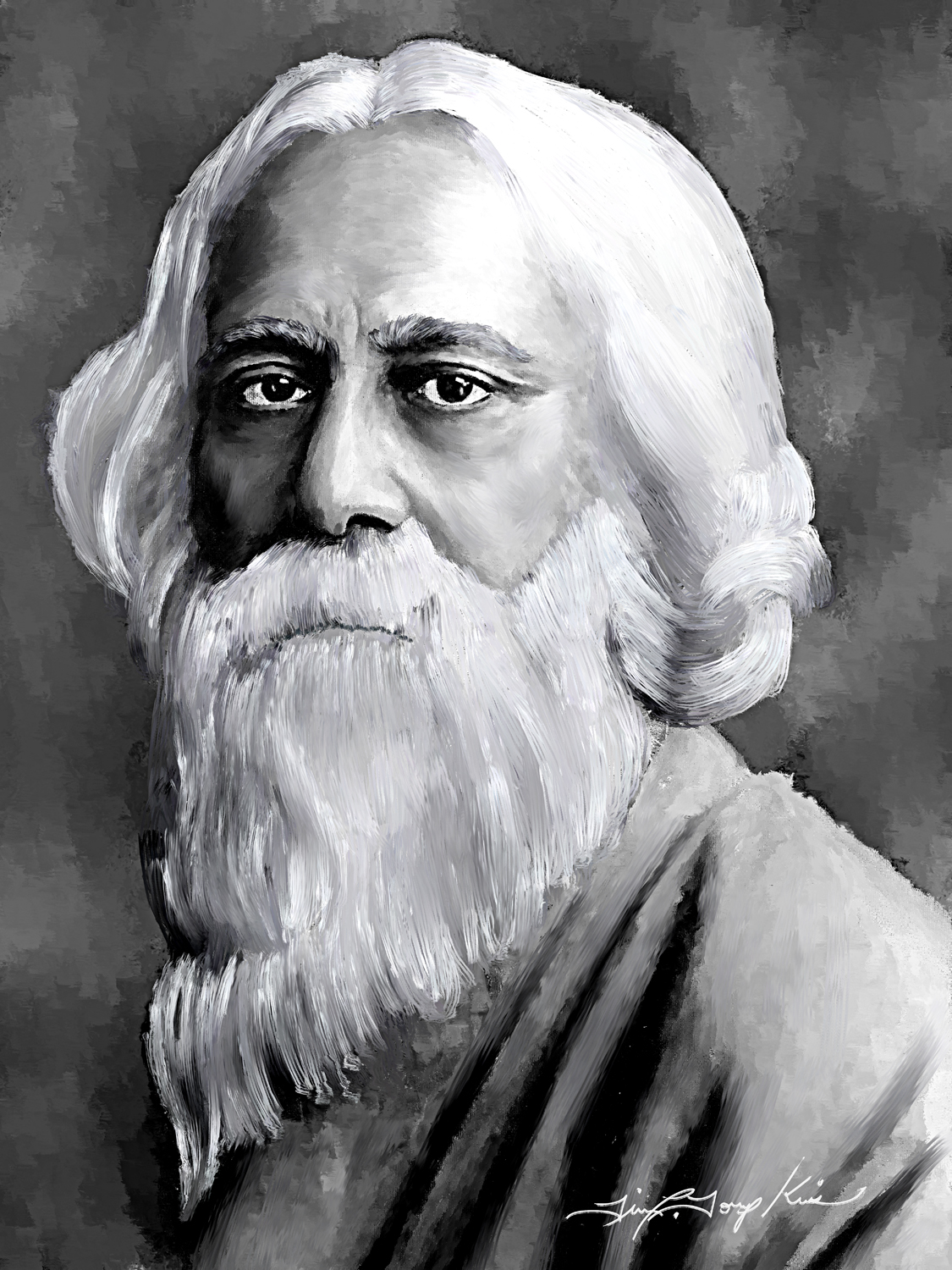
Painting Tim Tompkins – PaintHistory.com
Rabindranath Tagore
The Nobel Prize in Literature 1913
Indian Poet, Bangali, English. All literary genres. Voice of
India’s Spiritual Heritage. Social reformer. Promoted gender equality,
empowerment of women. Indian National Movement participant. Mahathma
Gandhi was his devoted friend. Founder, school in Shantiniketan.
Author, National Anthem of India, Bangladesh, Sri Lanka.
“Love does not claim possession, but gives freedom.”
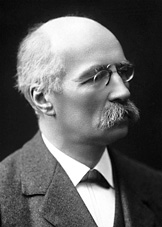
Photo: nobelprize.org
Henri La Fontaine
The Nobel Peace Prize 1913
Lawyer, Socialist, Parliamentarian, Peace Activist. International Peace Bureau. Internationalism, “An Intellectual Parliament” for Humanity. Cofounder, Institut international de bibliographie. Education. Women’s rights. Labor. Cultural achievements.
When Germany invaded Belgium, 1914, “Peoples will be as before, the sheep sent to the slaughterhouses or to the meadows as it pleases the shepherds.”
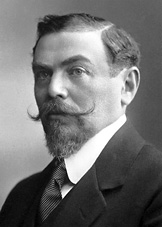
Photo: nobelprize.org
Alfred Fried
The Nobel Peace Prize 1911
Nobel Co-recipient Tobias Asser
Publisher, Philosopher. Founder, Die Friedenswarte (peace publication). Permanent Court of Arbitration, Netherlands. Collaborator, Nobelist Bertha von Suttner. Propaganda for peace: war was proof of validity of pacifistic analysis of world politics.
War is not in itself a condition so much as the symptom of a condition, that of international anarchy.
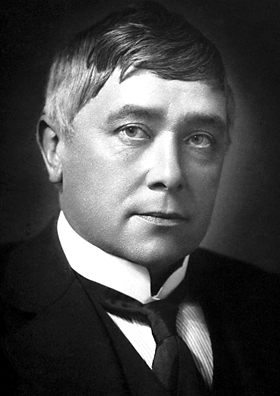
Photo: nobelprize.org
Count Maurice (Mooris) Polidore Marie Bernhard Maeterlinck
The Nobel Prize in Literature 1911
Belgian writer in French. Lawyer. Many-sided literary activities.
Dramatic works distinguished by a wealth of imagination. Poetic fancy.
Reveals deep inspiration. Appeals to readers’ own feelings, stimulates
their imaginations.
When we lose one we love, our bitterest tears are called forth by the memory of hours when we loved not enough.
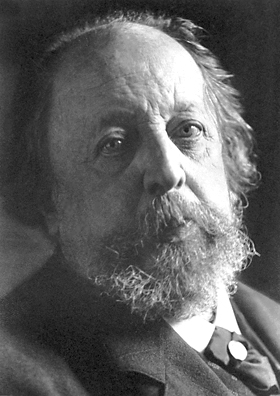
Photo: nobelprize.org
Paul Johann Ludwig Heyse
The Nobel Prize in Literature 1910
German writer: drama, poetry, prose. World-renowned short stories. Idealism. Consummate artistry permeated with idealism. Philology. Doctorate for dissertation on the refrain in Provençal poetry. Nobleman.
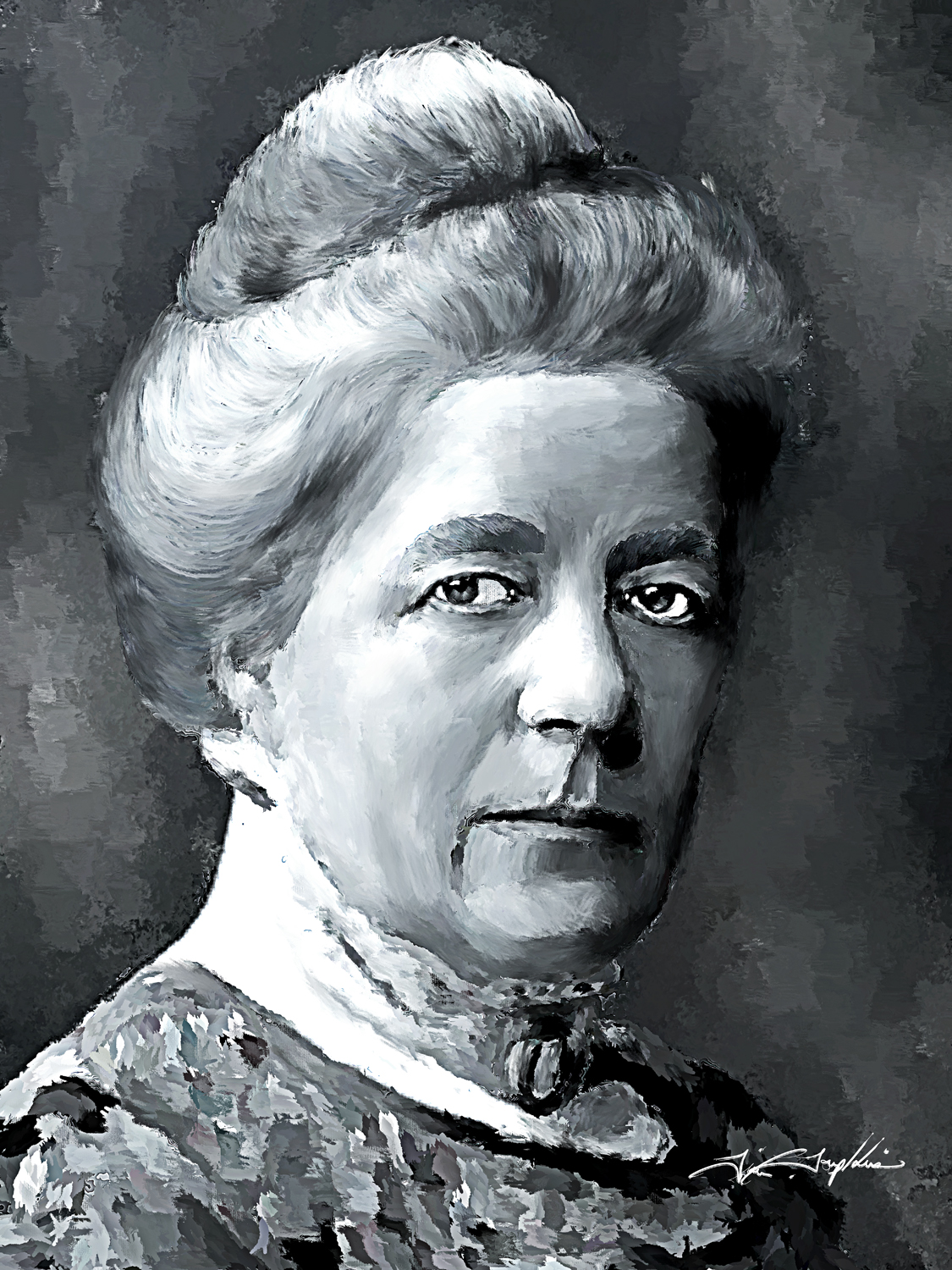
Lagerlof Selma Painting Tim Tompkins – PaintHistory.com
Selma Ottolia Lovisa Lagerlöf
The Nobel Prize in Literature 1909
Author. Lofty idealism, vivid imagination. Described peasant life,
Nordic nature accompanied by ethical strength, deep religious feeling.
Respect for Nature, Women’s Causes. 1914, became member of the Swedish
Academy which awards Nobel Prize for Literature.
“Nothing on earth can make up for the loss of one who has loved you.”

Photo: Library of Congress
Rudolf Christoph Eucken
The Nobel Prize in Literature 1908
Writer, Philosopher.
Idealism raises our life to greatness above the hubbub of everyday
life by representation of eternal truths; in midst of our dark situation
it can strengthen our belief in reason of life. Only faith can enable
us to cope with enormous obstacles, fill us with confidence of success.
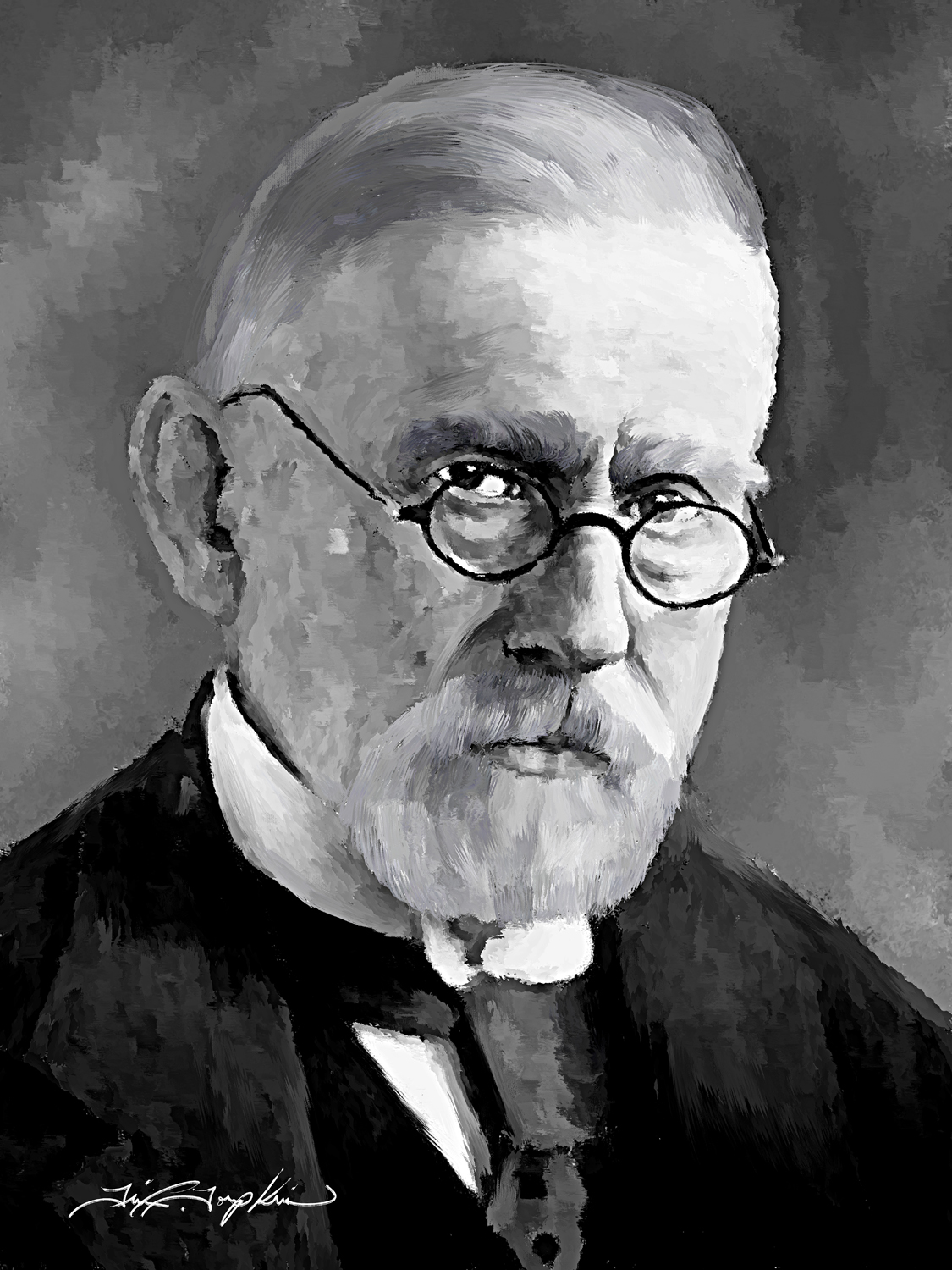
Painting Tim Tompkins – PaintHistory.com
Paul Ehrlich
The Nobel Prize in Physiology or Medicine 1908
Nobel co-recipient Ilya Mechnikov
Physician, Scientist. Immunologist, Hematology pioneer. Founded
Chemotherapy. Classified stains.
Stained tissues, blood cell granules, tubercle bacillus. Standardized
sera. Idea: Drugs’ chemical constitution related to action, affinity for
cells against which directed.
“Schwann established cell as biological unit. Concept of cell is axis around which whole modern science of life revolves”

Painting: Tim Tompkins PaintHistory.com
Theodore Roosevelt
The Nobel Peace Prize 1906
President, USA. International Peace Arbitrator, various treaties.
Vigorous, businesslike. “We abhor bully, oppressor, in private or public
life”. Conservationist, protected 230,000,000 acres of public land.
After camping in Yosemite National Park, “It was like lying in a great solemn cathedral, far vaster and more beautiful than any built by man.”
Photo: Wikiphedia
Giosuè Carducci
The Nobel Prize in Literature 1906
Nobel Co-recipient Ernesto Teodoro Moneta
Poet, Senator. Wrote poetry as child. Excellent translator, literary historian, orator. Conducted research in every phase of literature and eloquently expressed his findings. Poetry inspired compatriots in war for Italian independence, enjoyed immense popularity at home and abroad. Greatest Italian literary figure in the latter part of the nineteenth century.
Photo Wiki. Painting Tim Tompkins PaintHistory.com
Niels Ryberg Finsen M.D.
The Nobel Prize in Physiology or Medicine 1903
Physician. Founder, phototherapy in dermatology. Lupus vulgaris treatment. Researched salt. Despite having Niemann-Pick disease,
strong willed, persevering.
Denmark early education – Rector: “Niels is a very nice boy. His gifts
are small; he’s devoid of energy.” Cause: fagging for older pupils.
Moved to Iceland school;
succeeded despite not knowing language.